
















Female Athletes

Helping Female Athletes Perform with Confidence—On and Off the Field

Being a female athlete means navigating more than practices, competitions, and training. It means managing expectations, building confidence, handling pressure, overcoming setbacks, and learning to trust yourself in environments that often demand both excellence and perfection.

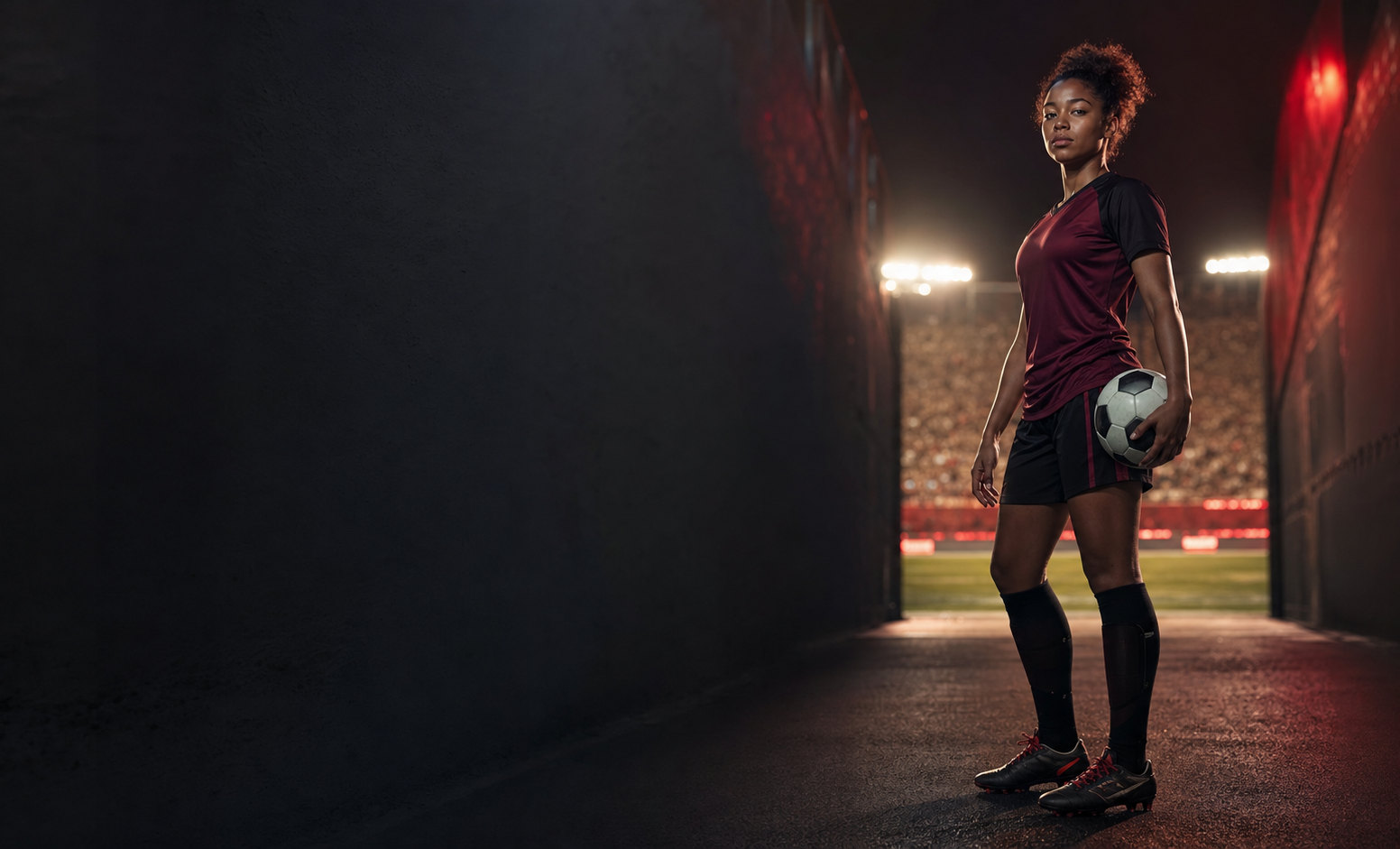
Female soccer player holding a ball in a stadium tunnel before walking out to the pitch

At Premier Sport Psychology, we help female athletes develop the mental skills needed to compete with confidence, lead with resilience, and enjoy the journey—whether they’re just beginning their athletic career or competing at the highest levels.

Are you experiencing any of these?

You may have noticed that you…
Constantly compare yourself to teammates or competitors.
Feel confident one day and question yourself the next.
Overthink mistakes long after competition ends.
Feel pressure to be perfect.
Worry about letting coaches, teammates, or family down.
Struggle to balance athletics with school, relationships, or life.
Love your sport but aren’t enjoying it the way you once did.

These experiences are common among female athletes—and they don’t mean you’re mentally weak or not capable of performing at a high level.

Why mental performance matters

Success isn’t determined by talent alone.

The mind shapes the outcome

Confidence, resilience, focus, emotional regulation, and the ability to respond to adversity all influence how athletes perform and how much they enjoy competing.

Mental skills are trainable

While physical skills are developed through training, mental skills can also be learned, practiced, and strengthened over time.

Our goal isn’t simply to help athletes perform better.
It’s to help them build confidence that lasts beyond competition.
Book a Consultation

Six Centers of Excellence

Whether you’re working through confidence challenges, performance anxiety, perfectionism, burnout, leadership, or simply trying to enjoy your sport again, our Female Athlete Resource Center provides practical guidance grounded in decades of experience helping female athletes thrive both in competition and in life.

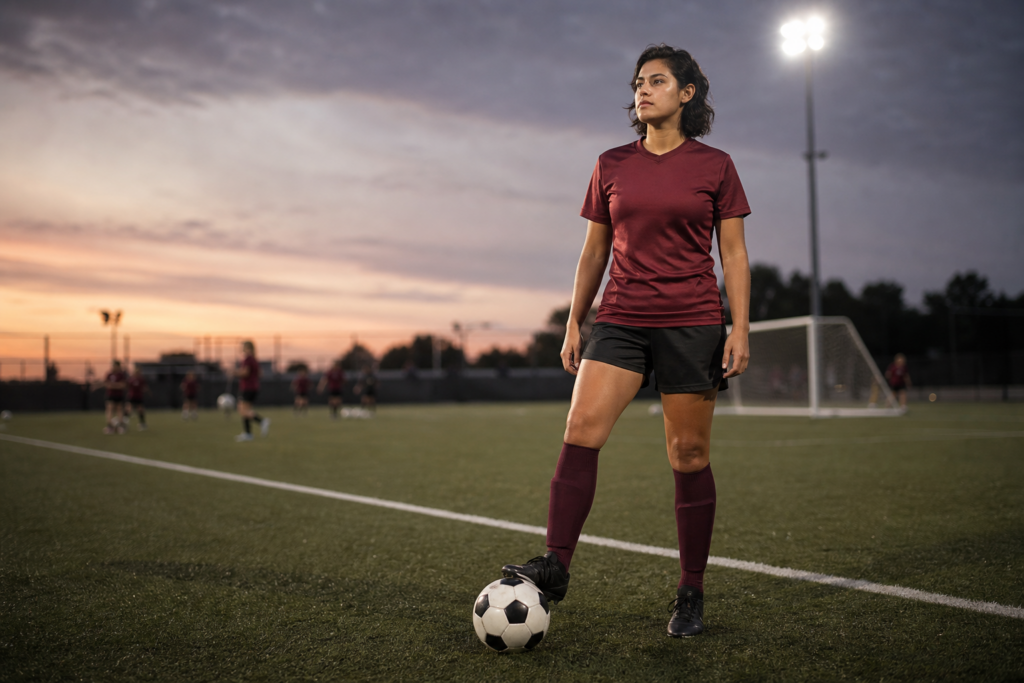
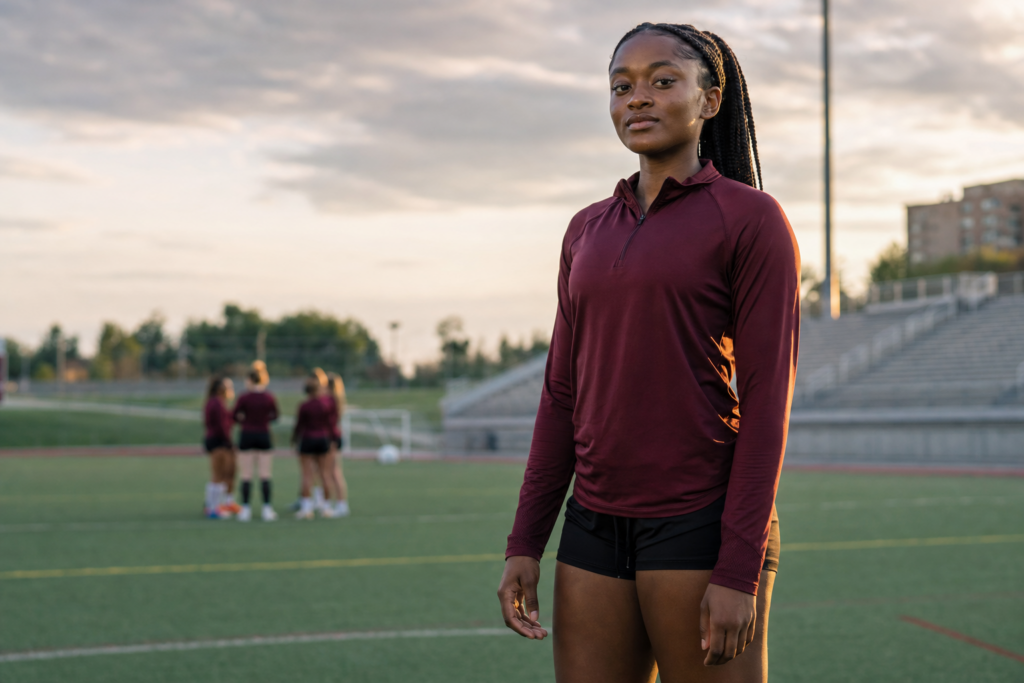
Female soccer player standing on the field at dusk with teammates behind her

Confidence

Confidence Is About Trusting Yourself—Not Proving Yourself

Many female athletes believe confidence comes after success. In reality, confidence develops long before competition begins.

It grows through preparation, learning, resilience, and repeatedly showing yourself that you can handle challenges—even when things don’t go perfectly.

At Premier Sport Psychology, we help athletes build confidence that isn’t dependent on one performance, one season, or someone else’s opinion.

Female athletes build lasting confidence by:

  • Trusting preparation instead of chasing perfection.
  • Learning from mistakes instead of fearing them.
  • Focusing on progress rather than comparison.
  • Developing self-awareness and resilience.
  • Building confidence from within rather than seeking external validation.
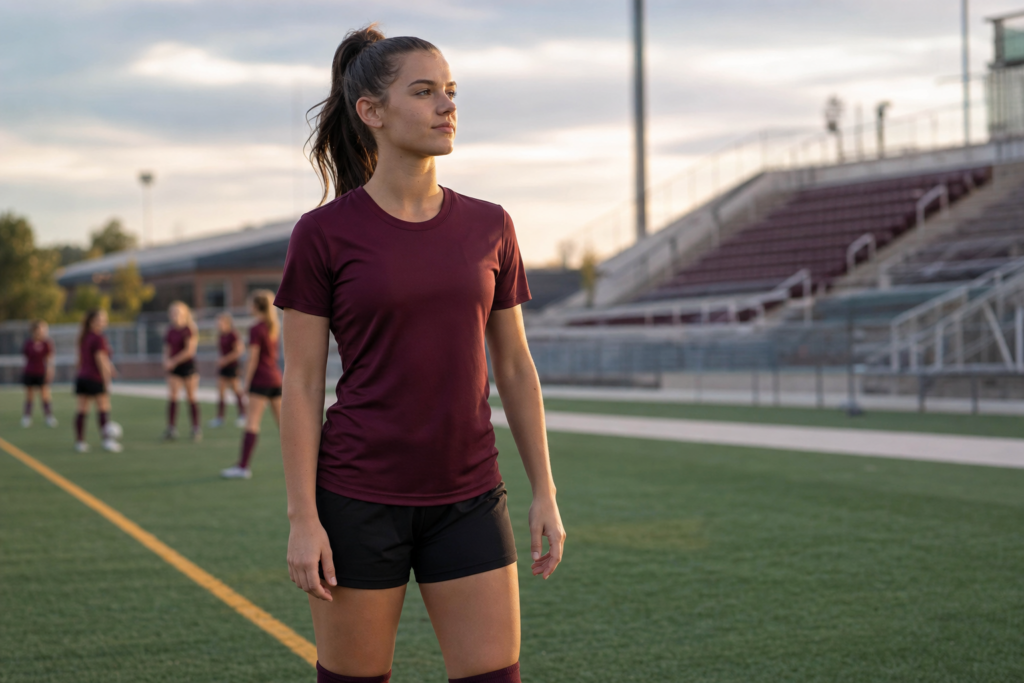
Female athlete waiting on the field before competition begins

Performance Anxiety

Pressure Doesn’t Mean Something Is Wrong

Every athlete experiences pressure before important competitions. The challenge isn’t eliminating nerves. It’s learning how to perform alongside them.

Many female athletes begin focusing on outcomes they cannot control—mistakes, expectations, rankings, or what others might think.

Mental performance training helps athletes shift their attention back toward preparation, the present moment, and the actions that support their best performance.

Common signs include:

  • Overthinking during competition
  • Fear of making mistakes
  • Playing cautiously instead of confidently
  • Physical symptoms before competition
  • Difficulty recovering after mistakes
  • Feeling different in competition than in practice
Female athlete in profile under stadium lights at night

Perfectionism

Perfection Isn’t the Goal. Growth Is.

Many female athletes set incredibly high standards for themselves. They want to perform well, meet expectations, and continually improve. That drive is often one of the reasons they become successful.

But somewhere along the way, healthy ambition can become perfectionism.

Mistakes begin to feel personal. One difficult performance overshadows weeks of progress. Athletes replay missed opportunities long after competition ends and begin believing they must be perfect to be successful.

Perfectionism doesn’t improve performance. More often, it creates hesitation, anxiety, self-criticism, and a fear of failure that prevents athletes from competing freely.

At Premier Sport Psychology, we help female athletes pursue excellence without allowing perfection to define their experience. Through Intentional Attention, athletes learn to focus on preparation, learning, and consistent growth rather than chasing impossible standards.

Female athlete off the field, out of uniform

Identity & Self-Worth

You Are More Than Your Sport

Athletics become a significant part of life. Training schedules shape daily routines. Teammates become close friends. Successes and setbacks feel deeply personal.

Over time, it’s natural for athletes to begin seeing their sport as part of who they are. The challenge comes when it becomes all they believe they are.

When identity is tied entirely to performance, injuries become devastating, difficult seasons feel overwhelming, and setbacks begin to affect confidence far beyond the playing field.

Our goal isn’t to help athletes care less about their sport. It’s to help them recognize that their value extends well beyond it.

Building a healthy identity allows female athletes to compete with greater freedom because they’re no longer trying to prove their worth every time they perform.

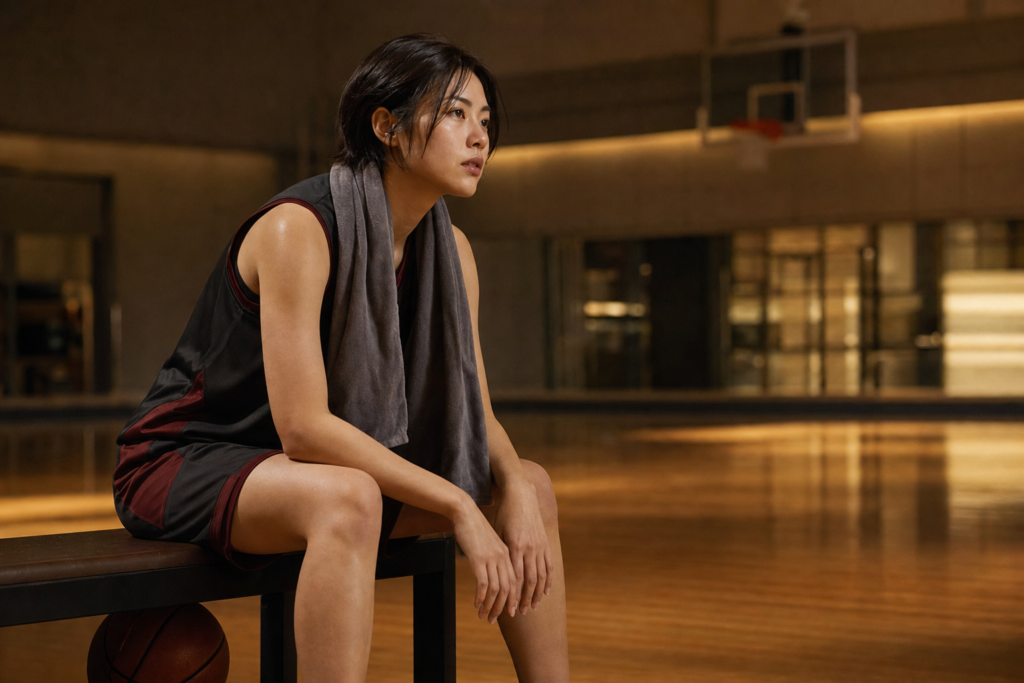
Female athlete resting during a quiet moment away from training

Burnout

High Performance Requires Recovery

Passion can drive extraordinary commitment. Many female athletes willingly dedicate countless hours to training, competition, travel, and preparation because they genuinely love what they do.

Yet even the most dedicated athletes need recovery.

Burnout rarely appears overnight. It develops gradually as physical demands, emotional pressure, perfectionism, and constant expectations begin replacing enjoyment with obligation.

Many athletes assume they simply need to work harder. In reality, sustainable performance requires balance.

At Premier Sport Psychology, we help athletes recognize the early signs of burnout while developing healthier approaches to recovery, resilience, and long-term performance. Because the goal isn’t simply performing well this season—it’s maintaining a healthy relationship with sport for years to come.

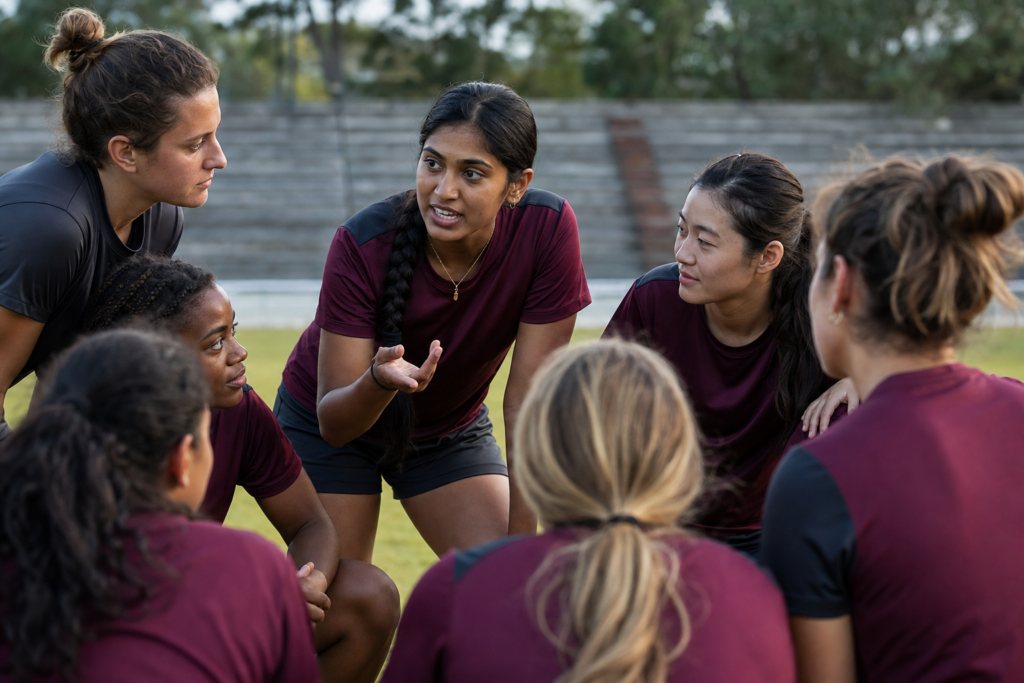
Team captain talking with teammates in a huddle

Leadership & Relationships

Leadership Begins Long Before You’re Named Captain

Leadership isn’t defined by a title. It’s demonstrated through everyday actions, communication, and the way athletes respond to challenges.

Female athletes often navigate unique team dynamics while balancing competition, friendships, leadership responsibilities, and high personal expectations. Those relationships can become one of the most rewarding parts of athletics—but they can also become one of the greatest sources of stress.

Learning how to communicate effectively, handle conflict with confidence, support teammates, and lead authentically strengthens both performance and team culture.

At Premier Sport Psychology, we help athletes develop the confidence and emotional intelligence that allows them to lead naturally while remaining true to themselves.

Helping Female Athletes Thrive Beyond Competition

Behind every performance is a young woman learning how to build confidence, navigate pressure, overcome adversity, and discover who she is both inside and outside of sport.

Sport psychology isn’t simply about performing better under pressure. It’s about developing the mental skills that support confidence, resilience, healthy relationships, and long-term well-being.

At Premier Sport Psychology, we believe those skills don’t just create better athletes. They help shape stronger leaders, healthier competitors, and more confident young women.

Female athlete writing in a journal beside a tablet in a training facility